Follow These Easy Tips To Find an Underground Water Leak

Underground Water Leak Detection Techniques

Finding a water leak doesn’t sound like it’s much of a challenge, but only if these leaks are above ground and visible. The tricky part is when leaks are hidden and are not as easily detectable as above-ground leaks that practically announce their presence with a constant and visible drip, drip.

The fact that they’re hidden doesn’t mean that they’re impossible to find, especially if homeowners know what signs to look for, what methods to use, and who to call to verify their observations. In this article, professional plumbers share their wealth of knowledge and experience with underground water leaks that will help make finding them quick and easy.

Do These Signs Look Familiar?
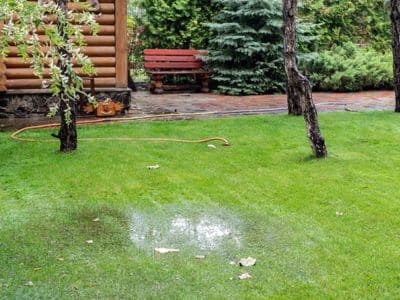
leakAny suspicions a homeowner may have about a possible underground leak should align with the following signs to make it easier to determine the next steps. Here are a few questions to ask:

  • Is the sound of running water audible around the house even if all taps are shut, and nobody is using a water-consuming appliance? 
  • Is a high water bill another concern, especially without a corresponding increase in water-consuming activities around the house?
  • Are there puddles of water forming around the house without a visible source or viable explanation?
  • Is a decreased water pressure causing slow water flow out of taps, fixtures, and showerheads?

If the answer to all or most of these questions is yes, then there is a high probability that a leak is present within the plumbing system, in which case, it is important to confirm this objectively by checking the home’s water meter.

A Water Meter Can Tell 

Most water meters have a leak indicator that can confirm any suspicions of a possible water leak at home. This leak indicator is usually a brightly colored arrow that spins to indicate a leak. To use this feature properly, shutting off the home’s main water valve before checking the water meter is important. If the arrow keeps spinning, even if no water is being used or supplied within the home, it only means water flows out of the system through a cracked or damaged pipe.

For homes that do not have a leak indicator, it’s still possible to confirm an invisible leak first by shutting off the water main and then getting the meter reading. If that reading has changed after 30 to 60 minutes, it’s a sign that water is leaking.

Professionals Get The Job Done
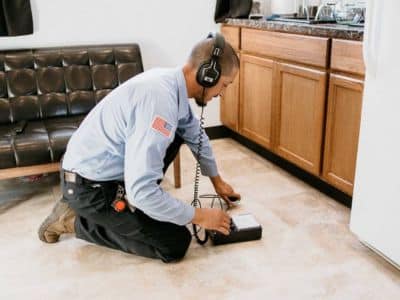
proKnowing the problem makes it easier to fix, but when it comes to hidden water leaks, the fix is best done by professionals. Because the location of a hidden leak is often difficult to pinpoint and access, it’s necessary to get water leak detection services. 

Once professionals get involved, they can confirm the presence of a leak, locate it, and fix it through various highly specialized techniques and using special tools to get the job done. Professional leak detection services may employ methods like acoustic leak detection, thermal imaging, trace gas detection, and the like, giving residents peace of mind that the leak has been detected accurately and can be fixed accordingly.

About Allore’s Plumbing Services LLC

With over 30 years in the plumbing industry, Allore’s Plumbing Services LLC has had a tradition of excellence in residential and commercial plumbing in and around the Treasure Coast. This veteran-owned, operated company employs highly trained technicians that can solve virtually any plumbing problem. Their work is backed by a 100% satisfaction guarantee that gives customers peace of mind knowing that their team won’t stop working until the issue is resolved. Call them today for all plumbing services in Stuart, FL.

Distribution Links +

Go Green This Spring By Installing a Tankless Water Heater!

Everything Homeowners Need To Know About Tankless Water Heaters

Now more than ever, homeowners are looking for ways to “go green” – to reduce their carbon footprint, conserve water, and help protect the environment. Fortunately, with the wide range of eco-friendly appliances and plumbing fixtures, it’s never been easier to go green at home! Even replacing one old appliance with a new, more energy-efficient model can significantly affect a home’s environmental impact – not to mention the utility bills!

And when upgrading appliances, there’s no better place to start than that rusty old water heater. For many households, a tankless water heater can be a great option for convenience and improved energy efficiency. This article will explain how tankless water heaters work, their benefits, and how to tell if it’s time to install one!

How To Tell When the Old Water Heater Needs Replacing

showerThere are several signs it’s time to replace a water heater. The first is the age of the water heater. Most conventional water heaters last around 10-15 years on average, so if the unit is in that range and having issues, it may be time for a new water heater. 

Regardless of age, some issues may indicate that the unit is on its last leg – rusty or discolored water coming from the hot water taps, water leaking from the unit, or loud noises (such as rumbling or popping) coming from the unit. These typically point to a corroded or damaged hot water tank, necessitating buying a new water heater.

If the hot water doesn’t seem to last as long as it used to, the temperature fluctuates, or there’s no hot water at all, there may be an issue with the thermostat, a gas burner, or an electric heating element (depending on the type of unit). If the unit is older, replacing the unit may be more cost-effective than trying to repair it. A lack of hot water may also indicate that the household is simply going through it too fast, in which case it may be time for a unit with a larger tank – or a tankless water heater.

How Do Tankless Water Heaters Work?

Whereas conventional water heaters contain a tank full of water kept hot around the clock, tankless water heaters heat water only as needed. This is why they’re often called “on-demand” water heaters. When a hot water faucet is turned on, cold water flows through a heat exchanger inside the unit and is rapidly heated by either an electric heating element or a gas burner. The hot water then flows to the faucet.

Since only so much water can flow through a tankless water heater at once, the flow rate may suffer if multiple fixtures use a high volume of hot water simultaneously – when someone is taking a shower while the dishwasher is running, for instance. But unlike with a conventional unit, homeowners will never run out of hot water and have to wait for the storage tank to heat back up. This is just one of the many benefits of tankless water heaters.

Advantages of a Tankless Water Heater

benefitsIn addition to the never-ending hot water supply, on-demand water heaters offer several other advantages. Since they don’t perpetually hold a tank of water at a certain temperature, tankless units virtually eliminate standby heat loss. They use less energy overall – depending on the home’s water usage, going tankless may improve water heater efficiency by anywhere from 8% to around 34%. 

Tankless water heaters also take up less space, require less maintenance, and last much longer than conventional units (20 years or more). So homeowners won’t just be saving money on energy costs; they’ll also save on service, repairs, and water heater replacement over the long haul.

Of course, other high-efficiency water heaters are becoming more popular, and tankless might not be the best fit for every household – so homeowners should consult with their trusted plumber to weigh the options and find the right water heater for their specific needs!

About Allore’s Plumbing Services LLC

The veteran-owned and operated Allore’s Plumbing Services LLC has proudly served Stuart and the Treasure Coast for over 30 years. Their commitment to providing unbeatable workmanship and stellar customer service has earned them HomeAdvisor’s “Best Of” and “Elite Service” awards and thousands of happy customers! Allore’s offers emergency service and guarantees 100% satisfaction on every job, so call them today for a water heater replacement in Stuart, FL!

Distribution Links +

The Importance of Water Heater Maintenance and Repair in Fall and Winter

How Homeowners Can Know They Need Water Heater Repair

Hot water, much in the same way as indoor plumbing, was once considered a luxury. In many places in the world, it still is. In the last hundred years or so, indoor plumbing and water heaters have been in basically every US dwelling. That being said, It is hard to imagine living without the convenience of a fully functioning water heater. They are the silent heart of the home’s water supply system. People have become so used to these appliances that they often go unnoticed until they stop working. This article will discuss how a water heater lets homeowners know it needs to be repaired or replaced.

Hot or Not? Problems with Inconsistent Temperaturetemperature

One of the subtler ways a water heater can exhibit problems is by being inconsistent with the water temperature. This is a large umbrella for any sort of fluctuation in temperature, which can include:

  • Too Hot: This may merely be a symptom of a thermostat being shifted in the wrong direction or indicate that the temperature regulation device is not working properly. This can be dangerous, particularly to children.
  • Too Cold/Lukewarm: This could be a simple matter of temperature regulation. There could also be a problem with the heat source, whether an electric heating element or a gas burner. They could need cleaning or replacing.
  • Too Little Hot Water: Running out of hot water in the middle of the shower is no one’s favorite incident. This can be a problem with the heating element or, even worse, there could be a leak that is reducing the water level.
  • Unexpected Temperature Changes: These changes can happen when multiple appliances or faucets are using the hot water, such as the shower and the washing machine, but if it is happening without evidence of other users, there may be an issue. 

Trained water heater technicians can quickly identify the problem and fix it or advise on these matters. If homeowners struggle with keeping their hot water consistent, they should consult a professional. 

The Drip, Drip, Drip of Leaksleaks

If hot water is running out too quickly or there is water pooling underneath or near the water heater, there is likely a leak. This can be in the pipe connections or, worse, in the hot water tank. Leaks cause problems for more than just the hot water level, including: 

  • Mold
  • Mildew
  • Structural damage to the home
  • Water damage
  • Higher water bills due to water loss

If the leak is in the pipe, that may be an easy fix, whether it is tightening the connection or repairing or replacing the pipe. If the hot water tank has cracked or has become corroded, it is very likely that the whole thing will need to be replaced.

Too Old to Repair? When a Hot Water Heater Should Be Replaced

If a water heater has multiple issues, is in constant need of repairs, and is more than ten years old, a homeowner is likely looking at a replacement of the water heater. For one thing, finding replacement parts for the appliance may be difficult. For another, wear and tear on an older tank can be extensive. It may be less expensive to purchase a new hot water tank than to repair an old one. Homeowners looking to replace their water heater should consider the highly efficient tankless water heater, which takes up less space and uses less energy than the traditional water heater.

About Allore’s Plumbing Services LLC

Veteran-owned and operated out of Stuart, FL, Allore’s Plumbing Services LLC has more than thirty years of experience under their belts. Their highly trained technicians offer 100% satisfaction guaranteed and emergency service. Call them today for water heating service anywhere along Florida’s Treasure Coast.

Close-up of a copper pipe showing a water leak and visible corrosion, highlighting plumbing maintenance issues.

Know the Signs of a Water Leak

How Homeowners Can Detect Water Leaks 

A water leak is more than a dripping faucet. It’s high water bills. It’s unexplained mold and mildew growth. Perhaps worst of all, water damage (such as soggy drywall) needs immediate replacement. Leaks are just an inevitable part of homeownership. Even newer houses, including the ones sprouting up all over Martin County, can have these problems. 

Thankfully, there are many ways homeowners can spot troublesome leaks. One can identify a leak by: 

Hearing Any Hissing or Running Water Sounds 

Water flows throughout a home’s plumbing system even when the shower isn’t running. For instance, water constantly flows from the city’s water main to the house, making water readily available when one needs it. So, hearing running water every once in a while is nothing to balk out. 

However, if one hears constant hissing or running water sounds, and they don’t have a water-based fixture on, this could be a reason for alarm. Here’s an easy way how homeowners can determine if these sounds indicate a pipe leak: 

  • First, one should locate the home’s water supply valve. 
  • Then, they should turn the valve off. 

If a homeowner notices the sound has stopped, there’s likely a leak somewhere, either under the sink or inside the wall. However, if the noise persists, this could point to another issue, such as a gas leak. In that case, residents should evacuate the home and immediately call a professional. Remaining indoors risks everyone’s health and well-being. 

Noticing Low Water Pressure 

Hand receiving water from a modern faucet, illustrating the importance of consistent water pressure for household plumbing efficiency.The home thrives on decent water pressure. This is what allows the dishwasher to function properly. It also makes showering a pleasurable experience. Poor water pressure prevents appliances from working properly and lowers residents’ quality of life. 

A water leak can cause low water pressure because there’s water leaving the system. Pressure can’t build up in the system because water isn’t flowing properly. A professional can address the leak (and restore water pressure to the home) by: 

  • Using soundwaves to locate the leak’s source 
  • Turning on different water fixtures and examining the water’s pressure 
  • Using a drain snake with a camera 

How the plumber fixes the leak is a different story. If the pipe has only suffered minimal damage, they may consider fixing the leak with an epoxy. They may also replace the section of pipe, patch the leak, or recommend other measures. It’s important to leave these measures to a professional. DIY measures can only make the problem worse. 

Having Higher Water Bills

Dollar bills being washed down a sink drain, symbolizing wasted money due to potential water leaks and higher water bills.Martin County charges homeowners for water based on their usage. It notes that for the first 10,000 gallons, one can expect to pay $2.38 per 1,000 gallons. The rates only increase from there. 

Homeowners should have a basic understanding of how much Martin County charges for water. They should also know how much they pay for water each month. If they notice an unexplained increase in their water bill, this could point to a water leak. Martin County does not differentiate between water homeowners intentionally use and water that escapes the plumbing system through leaks. 

In the face of high water bills, one should consult a professional. They can assess the plumbing system and render any necessary repairs. 

About Allore’s Plumbing Services LLC 

Allore’s Plumbing Services LLC opened its doors in 1986 with one goal: to serve the people of Stuart, Florida. Founded by a navy veteran, they offer proficient repairs that can only come from 30-plus years of experience. For help with water leaks, interested parties can schedule appointments online. They can also call to speak with a representative.

Hand under shower with water flowing against a tile wall, relevant to plumbing maintenance by Allore's Plumbing Services LLC.

How To Fix Poor Water Pressure in the Shower

Ways a Home’s Water Pressure Can Be Improved 

Every homeowner knows the issues that come with lower than average water pressure. It makes running appliances like the dishwasher and the washing machine difficult. One of the most irritating issues is the lack of water pressure in a shower. It is very difficult to get clean when there is a slow water flow. 

Behind the Tile: Bathroom Connections

No matter how many sinks, faucets, or toilets are in a home, the water for said household items typically comes from one source. Because the bathroom plumbing is interconnected, using water in one place (like the sink) can cause lower pressure if another one is also used (such as the shower). 

This is why the shower tends to lose pressure when someone flushes the toilet. In the same way, all the drains are empty into one main drain pipe, so a problem in one part of the plumbing can lead to poor performance in another part. A severely clogged drain in one line can cause backups in another drain.

The Problem of the Hidden LeakMan and woman looking up at ceiling leak, water dripping, indicating potential hidden plumbing issues affecting water pressure and household water bills.

As previously discussed, water going in one direction lessens pressure in another direction. So if the supply water pipe leaks, then less water pressure will be coming into the house. This affects the water pressure in the shower and everywhere else, but it can also affect the household water bill. 

If the water pressure seems lower than usual, it may be time to look for possible signs of a hidden leak.

  • Skyrocketing Water Bill: An abnormally high water bill can indicate a major leak that has gone unnoticed.
  • Pooling water: If a puddle seems to come from nowhere, there is a good chance a leak has caused it.
  • Damp grass/Puddles: The dampness or puddling can happen outside, too. If the grass is wet, or there is water running in the gutters and there has been no rain, then there may be a leak.
  • Mold/Mildew Growth: If spots of mold or mildew appear on the walls or ceiling in unexpected places, there may be a leak behind it.

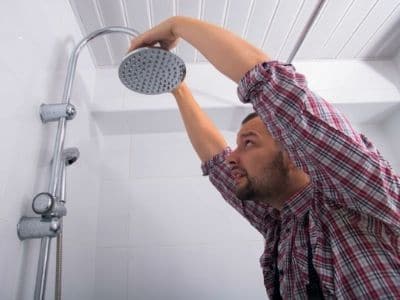
The Clogged ShowerheadMan removing a showerhead to address low water pressure caused by hard water buildup in a bathroom setting.

Fortunately for the average homeowner, low water pressure is often merely a result of hard water and can be easily fixed. Hard water is water full of dissolved minerals that can leave deposits in pipes, faucets, and drains. 

Much like the stalagmites or stalactites in a cave, hard water buildup takes a long time to accumulate, but it can become a major blockage. Below are the steps for dealing with hard water buildup in a showerhead.

  • Remove showerhead
  • Soak the showerhead in a mineral solvent such as CLR
  • Rinse and replace the showerhead
  • Enjoy the newly refurbished and unclogged showerhead
  • Consider installing a water softening system or using water softeners

About Allore’s Plumbing Services LLC

Veteran-owned and operated Allore’s Plumbing Services LLC offers 24-hour emergency service for commercial and residential customers in Stuart, FL, and the surrounding areas. They have highly trained technicians and a 100% satisfaction guarantee. Call them today for all types of plumbing solutions.

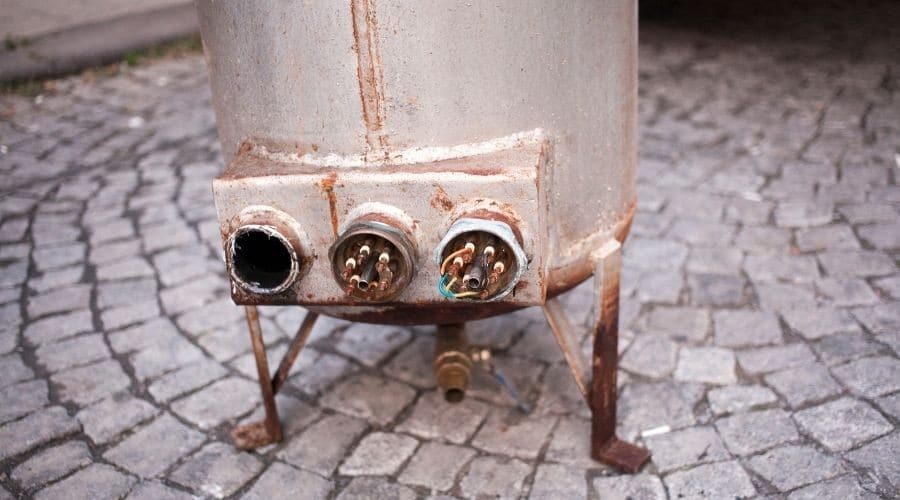
Rusty metal water heater with electrical connectors on textured cobblestone ground, representing plumbing maintenance issues.

Signs It’s Time To Dump That Old Water Heater

When Is the Right Time for a Water Heater Replacement?

Breaking up is hard to do – it’s one of those age-old facts. And it doesn’t just apply to romantic relationships that aren’t going anywhere or fling that have lost their spark. It can also be true for the often complicated relationship between a homeowner and their water heater.

Not only can it be painful in a financial sense to break it off with that old water heater, but it can also be difficult to know when the time has come to say goodbye. This article will lay out three of the biggest red flags for homeowners to watch out for when it comes to their water heaters.

The Water Heater Is Getting Old

The first way to tell it might be time to call it quits with the water heater is if the unit is nearing the end of its life expectancy. This number varies depending on the unit type, the quality of installation, and how well it has been maintained, but there are a few general guidelines.

A traditional gas water heater has an expected lifespan of around 8-12 years. The same goes for traditional electric water heaters, though some have been known to last a year or two longer. On the other hand, tankless water heaters tend to last closer to 20 years, whether gas or electric. Of course, regular water heater service will help extend this, but even that has its limits.

The date of installation is typically marked on the manufacturer label on the unit itself. If it was more than 10 years ago (on a traditional unit) or close to 20 years ago (on a tankless unit), it’s a good bet that the unit won’t last much longer, especially if it’s been acting up lately.

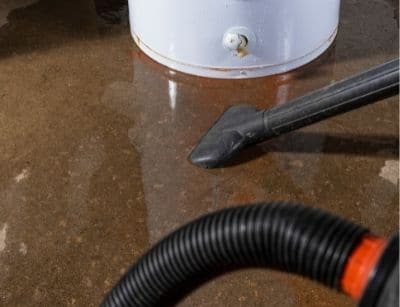
The Water Heater Has Sprung a LeakLeaking traditional gas water heater with water pooling on the floor, indicating potential maintenance issues and the need for replacement.

If the water heater is leaking, it may be something as simple as a loose pipe fitting or a faulty T&P (temperature and pressure) relief valve. But it could also be something much more serious, such as a crack or pinhole leak in the tank itself. A leak could indicate mineral deposits or corroded pipes in a tankless unit. Still, leaks are much less common on tankless units, especially if they’re nowhere near the end of their life expectancy.

On a traditional unit, a leaking water tank is usually the result of corrosion eating away at the tank wall or sediment collecting in the bottom of the tank and causing cracks. In either case, once the tank itself is compromised and springs a leak, it will need to be replaced, and it will simply be more cost-effective to replace the entire unit.

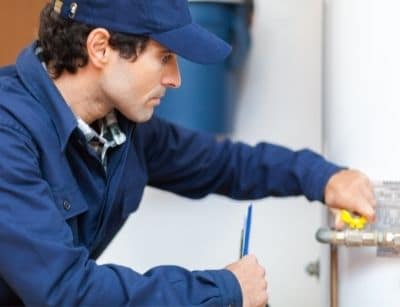
Plumber inspecting a water heater, checking pipe fittings and valves for maintenance issues related to leaks and inefficiencies.


The Water Heater Just Won’t Work Properly

Another sign it might be time to ditch the current water heater is if it continually breaks down or fails to work properly. A unit that requires frequent repairs will eventually cost more than investing in a whole new water heater. Similarly, even if the unit has been working fine previously, an issue may arise and cause costs to pile up. 

For instance, if an electric heating element burns out or breaks, another element may work harder to compensate, degrading efficiency and driving up energy costs. And if the unit is older, it may make more sense to upgrade than to shell out for a new heating element.

In some cases, the unit or tank may not be the appropriate size for the home, either because the original water heater installer miscalculated or the household needs have changed since the unit was first installed. In this case, upgrading to a properly sized unit can drastically improve efficiency.

About Allore’s Plumbing Services LLC

Allore’s has been the go-to plumbing company in their community for over 30 years. As an award-winning and consistently 5-star rated local business, they guarantee 100% satisfaction on every single job. Their friendly, trustworthy experts are available 24/7, so don’t wait to call Allore’s for water heater installation in Stuart, FL.

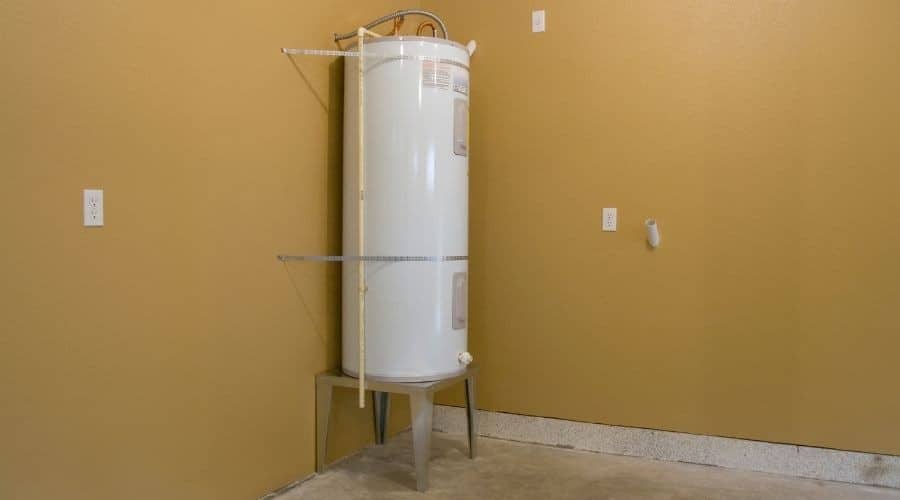
White cylindrical water heater on metal legs in minimalist space by Allore's Plumbing Services.

Starting 2022 With a New Water Heater!

Why Should Homeowners Install a New Water Heater This Year?

Homeowners should seriously look into installing a new water heater. Various service technicians are willing to schedule a water heater install. It is always beneficial to have a constant flow of warm water, especially during the cold winter months.

The main reason to know that one should replace a water heater is when the system begins to leak, the water heater ages, and a rusty color is left as the hot water is turned on.

The Tank Is Leaking

Although a small leak in a water heater’s tank may not sound like a big problem, it can cost homeowner’s thousands of dollars. It is easier to replace and install a new tank when there is a leak most of the time.

For homeowners that live in areas that use tankless water heaters, it is also possible that it is leaking because of a huge crack of the dent. Since the water heater is tankless, a small device goes above the toilet. If there is a crack or is not fully tight enough to the water supply, it could cause a leak.

It is a lot easier to fix a leak if the leak is caused by the looseness of a screw or’ key.’ It is best to call a water heater replacement company to repair the leak if it is minimal.

The Water Heater Is OldLeaking tankless water heater with water pooling on the floor, illustrating potential plumbing issues for homeowners.

Homeowners should only have water heaters for up to ten years. While a few types can last for over ten years, there aren’t many, and the systems need frequent maintenance and preventative plans.

As a water heater ages and works, lots of water runs through the system or tank in high temperatures. This causes corrosion and damage to the interior of the tank. The damage and wear and tear only worsen each year.

Thankfully there are many options for people who need to replace a water heater. It is important to note that equipment like water heaters malfunction after a few years.

Reddish-brown water flowing from faucet into a sink, indicating rust and mineral buildup in the water system, relevant to water heater maintenance issues.Rust and Buildup in the Water

Like any water system, water heaters develop a buildup of minerals, calcium, and rust. As the water rushes through the system, any sediment gets stuck and builds up. Homeowners that notice a reddish tone should call a technician as soon as possible.

Sometimes it is possible to repair a water heater with reddish and orange tones from rust. However, it requires a deep clean. If the damage is too severe, the technician may schedule a water heater replacement instead. 

There are many different types of water heaters to choose from! Homeowners can call for a tankless water heater installation to save money and space. This small tankless water heater is a great addition to homes with small spaces looking to have the water heater in their bathroom.

About Allore’s Plumbing Services LLC

Allore’s plumbing services is a company that prides itself on its excellent customer service skills and extensive experience within the local community. They provide elite services at affordable prices. Call them today for water heater service in the Stuart, FL area.

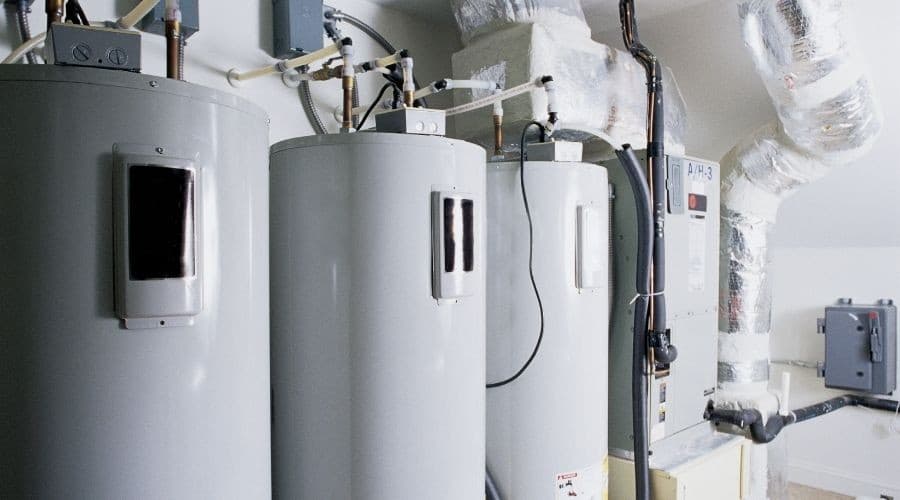
Three gray hot water heaters and insulated piping by Allore's Plumbing Services LLC.

The House Isn’t Haunted – It’s Just a Water Heater That Needs Service

Deciphering the Ghostly Sounds of a Malfunctioning Water Heater

The early fall months come with an air of spookiness that’s hard to ignore. Maybe it’s because of all the Halloween decorations and the scary movies playing on televisions in the lead-up to the last day of October. This spooky atmosphere is probably to blame for many homeowners hearing things in the home. But it’s not always in the homeowner’s heads. Some sounds mean something far worse than ghosts and goblins. Some sounds mean that the water heater is on the fritz! 

Luckily, when homeowners can determine what the sound means, they can do something about it.  

Scary Screeching and Hissing

Screeching is, by definition, not a pleasant sound. It grates on the nerves and can make one think that there’s an angry spirit in the home. Usually, this sound is caused by high-pressure water pushing through a valve that is not opened all the way. This could come from a valve malfunction or a valve that hasn’t been opened after a water heater service. 

Hissing is almost as scary as screeching but doesn’t usually mean the same thing. Hissing is generally caused by a leak, especially if wet spots are present around the water heater. But hissing can also be caused by the water evaporating as it sizzles on a hot surface, such as the heating element. This generally happens when the tank is refilling. 

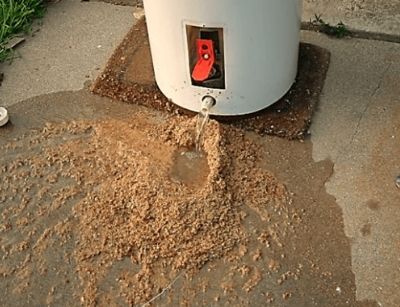
Spine-Chilling Rumbling, Crackling, and PoppingSediment and water draining from a water heater, indicating buildup and maintenance needs for optimal plumbing function.

Other sounds that are often confused for vengeful spirits include rumbling, crackling, and popping. These noises happen all together and indicate that there’s sediment building inside the water heater tank. All water has sediment to some degree, which means all water heaters will build up some sediment eventually. 

When sediment builds up and the water heater starts making cracking, popping, and rumbling sounds, it indicates that there’s water being trapped under the sediment and heated. As the water moves up through the layers of sediment, it makes these noises. Luckily, this one is easy to fix. The water heater just needs to be flushed of the sediment. This can be done easily by a professional. 

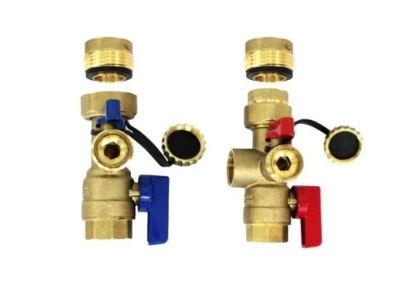
Frightful Humming or TickingBrass check valves with red and blue handles, used in water heater systems for sediment management and maintenance.

Humming and ticking are two other culprits that mean something’s amiss. Humming is a sound that comes from a water heater when there’s an issue with the electric heating element. On a gas water heater, humming could mean a problem with the gas line or the burner. 

Persistent ticking sounds could mean that there’s a problem with the temperature regulation. Ticking is normal when it happens occasionally, but the unit needs to be checked by a water heater repair professional if it happens often. Water heater service should be done at least once a year to prevent issues like those above. 

About Allore’s Plumbing Services LLC

Allore’s Plumbing Services LLC has served Stuart, FL since 1986. Their technicians are highly skilled and trained in the latest plumbing technology. They offer 24-hour emergency service and always back their work with a 100% satisfaction guarantee. Call now for water heater services!

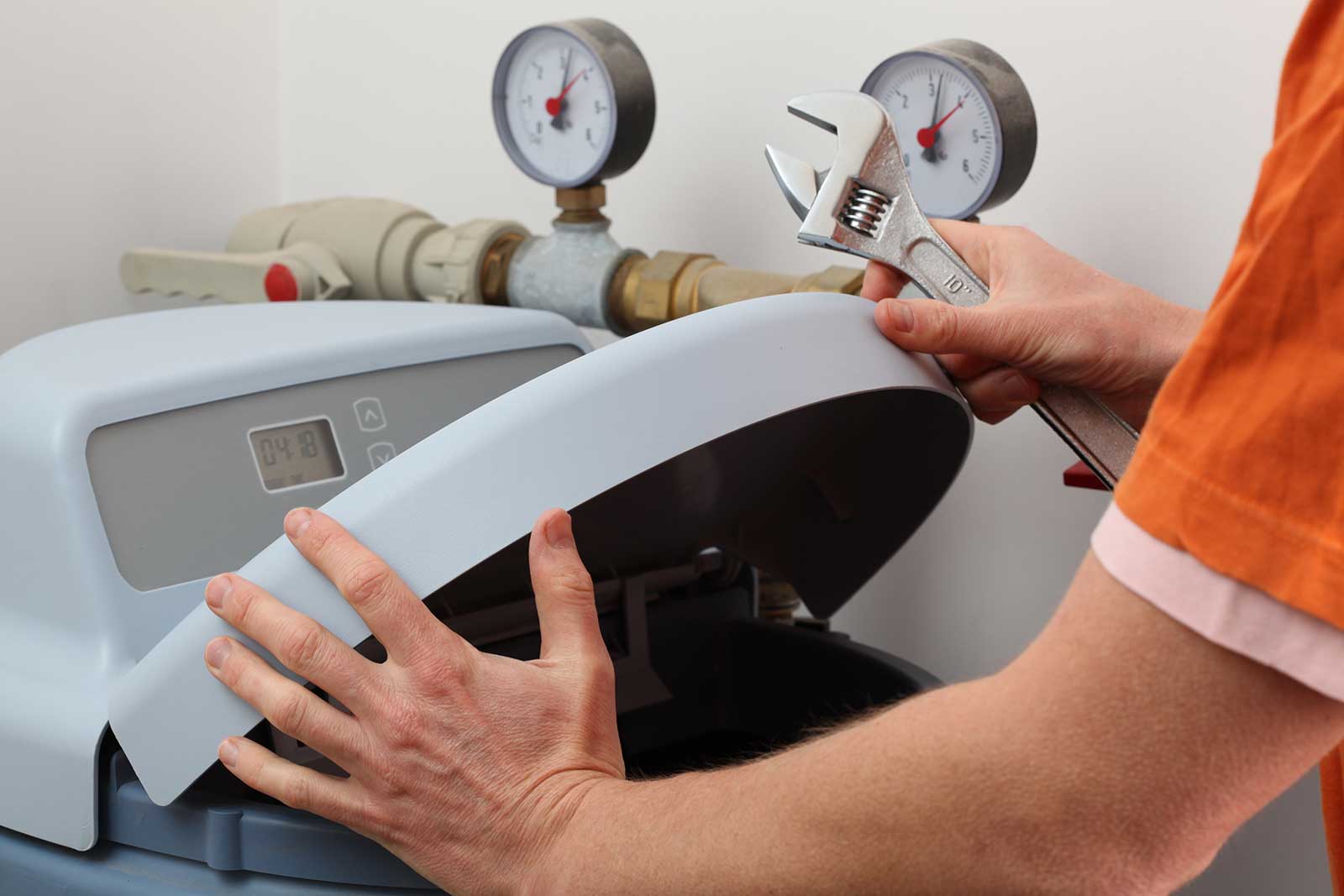
Person using an adjustable wrench on a machine with pressure gauges in an industrial setting for plumbing repair services.

3 Signs You May Need To Install a Water Softener

Do You Have Hard Water In Your Home?

For many homeowners, the distinction between hard and soft water is not a familiar concept. After all, what exactly does it mean when water is “hard?” Hard water is simply water that contains a high concentration of dissolved minerals. While this doesn’t make much difference in terms of the water’s safety, it can significantly impact the plumbing system itself – not to mention the comfort of everyone in the home. 

One solution is to install a water softener to remove these minerals from the water supply, but many homeowners wonder if it’s really necessary. So this article will lay out the three most common signs that a home has hard water, how it can affect the home and its plumbing, and how to tell when it’s time to install a water softener.

Visual Cues

Thanks to its high mineral content, hard water tends to leave behind a residue when it dries out – the water evaporates, but the minerals stay put. It’s common for dishes washed in hard water to be covered in cloudy white spots or become slightly opaque over time. 

Over time, small mineral deposits like these may accumulate on faucets and showerheads, forming a hard white or greenish crust around the spigot or nozzle. Unusually high amounts of soap scum buildup in sink basins or on shower walls may also indicate hard water, as the dissolved minerals bind with the soap and cause it to hang around on surfaces after the water evaporates.

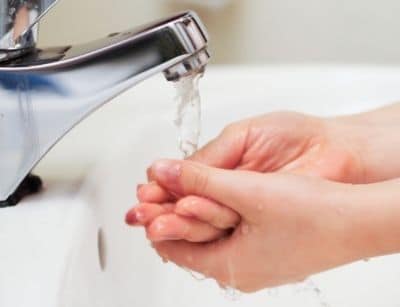
That Hard Water FeelingHands washing under a faucet with flowing water, illustrating the effects of hard water on skin and plumbing surfaces.

Hard water can also be detected by the way it leaves skin, hair, and laundry feeling. Many people with hard water in their homes find that their skin feels very clean after bathing but then becomes dry, itchy, or irritated after they’ve dried off. This is because hard water leaves behind a mineral residue on the skin, just as it does on other surfaces.

This residue can clog pores and prevent the body’s natural oils from moisturizing the skin. It may have an even more pronounced effect on hair, leaving it flat and dry and cause the scalp to become flaky. These effects aren’t limited to the body, however – the residue of dissolved minerals can leave laundry feeling rough, stiff, or scratchy.

Problems with the PipesPerson repairing leaking white plumbing pipes under a sink, using a yellow cloth to wipe water, illustrating plumbing maintenance related to hard water issues.

Another clue that the home’s water is hard may come in the form of plumbing issues. As hard water travels through the home’s pipes, it will leave its trademark mineral scale deposits on the pipe interiors as well as the internal components of fixtures and appliances. Eventually, this scale buildup will interfere with the normal function of the plumbing system.

Mineral scale can obstruct water supply pipes and the larger drainage pipes, resulting in low water pressure or drain clogs, respectively. It can also lead to corrosion, excessive vibration, and overpressurization of copper supply lines, all of which can cause leaks or ruptures. Appliances like water heaters, dishwashers, and washing machines can wear out faster, or malfunction as scale interferes with their internal components.

With all this in mind, it’s easy to see why removing these troublesome minerals with a water softener might be a good idea, not just for comfort but also for the health of the home’s plumbing and appliances. If in doubt, homeowners can contact their preferred plumber to determine whether a water softener is right for them.

About Allore’s Plumbing Services LLC

Allore’s Plumbing Services LLC is an award-winning, veteran-owned local business with over 35 years of experience serving its community. They offer up-front, competitive pricing and 24/7 emergency service. Call Allore’s today for water softener services in Stuart, FL!

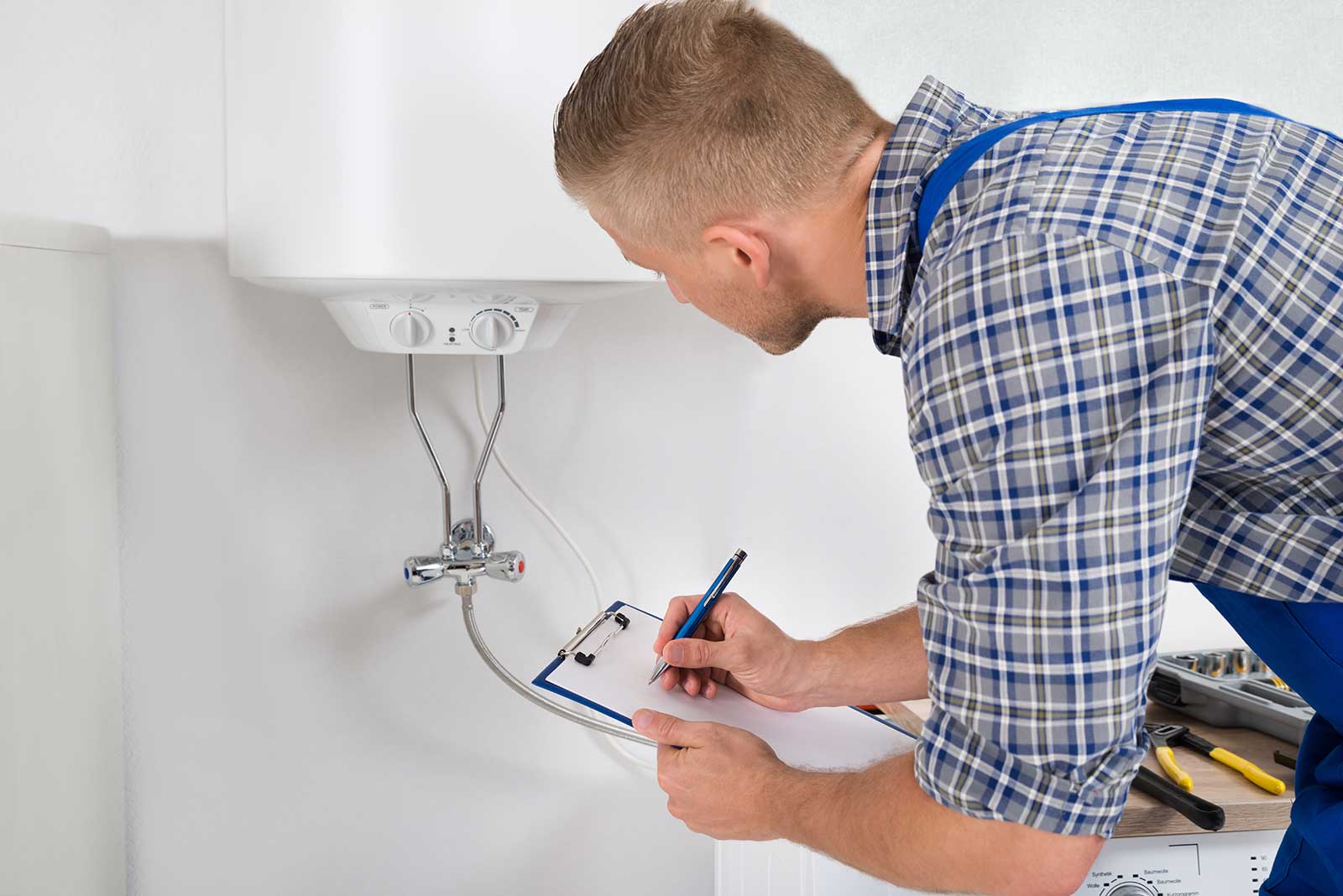
Technician servicing a water heater at home, wearing a plaid shirt and blue overalls, with tools on a surface.

Back to the Basics With Water Heaters

The Basic Fundamentals of Water Heaters

There are five types of basic water heaters, with most homeowners traditionally having either a gas or electric tank or tankless system. Besides traditional storage and on-demand style water heaters, there are heat pump water heaters, solar-powered water heaters, and condensing water heaters.

Water heaters work by bringing in cold water and using electricity or gas to heat the water by passing it through heating elements. Generally, a water heater will have a dip tube, heating element, anode rod, thermostat, heat-out pipe, and valves.  

Storage tank and tankless water heaters side by side, illustrating different types of water heating systems commonly used in homes.Different Type of Water Heaters

Storage tank water heaters use electricity or gas consistently, come in various sizes from 20 to 80 gallons for most homes, and are modestly priced for installation or repair. There are two basic types of tank heaters: those that use electricity and those that use gas, the latter being more cost-efficient for homeowners. These water heaters can last over 10 years if properly maintained with yearly upkeep and cleaning of sediment buildup.

Tankless water heaters provide instantaneous on-demand hot and warm water. The water is heated as it passes through the pipes and past a heating element. Maintenance on these types of heaters is on an ‘as-needed basis and typically arises based on water hardness. These water heaters are more expensive than traditional water heaters but can save money in the long run due to the conservation of energy. When properly looked after and addressed for any issues, these units can last upwards of 20 years. 

5 Tips on Water Heater Maintenance 

These tips and tricks should help any homeowner looking to extend the lifespan of their water heater. Preventative maintenance can go a long way in improving performance, giving peace of mind, and keeping up-to-date with household appliance management.

  1. Getting the water heater tank flushed is an important task to be done by a professional yearly. Hard water can cause sediment buildup and prevent the heater from working properly by not working at maximum efficiency.
  2. A basic check of the pressure relief valve can go a long way in the sense of safety. If this valve were not to work, the water heater tank could explode due to increased pressure. Replacing this valve is not a huge ordeal, is easily down by a professional, and can save headaches from occurring later.
  3. Insulating the tank and the pipes is another way to keep a water heater lasting. This prevents heat from escaping allowing the water heater to work less hard, reducing energy consumption.
  4. Lowering the overall temperature of the heater can also assist in conserving the tank. This allows the tank not to stay as active trying to maintain higher temperatures that are normally unnecessary or impractical. 
  5. Getting a professional inspection is always a good call as a homeowner by allowing a skilled expert to check every part of what makes a water heater work.

Common Signs that a Water Heater Needs RepairPlumber inspecting and repairing a water heater, emphasizing professional maintenance and service for effective plumbing solutions.

  1. Pooling, puddling, leaks, or dripping
  2. Age
  3. Low water pressure 
  4. Temperature of the water does not get hot enough or fluctuates 
  5. The water is brown, dirty, or has sediment
  6. Loud noises coming from the water heater

About Allore’s Plumbing Services LLC

For all your local plumbing needs, Allore’s Plumbing Services LLC is a family-owned and operated business that offers 24-hour emergency help, 100% satisfaction guaranteed, and experts in the field of commercial and residential plumbing. Contact them for reliable water heater service in Stuart, FL today!